Facial bone fractures are more common than most people think. Whether it’s from a car accident, sports injury, fall, or physical assault, the face is vulnerable, and when bones break, the healing process is both physical and emotional. Recovery isn’t just about fixing bones. It’s about regaining confidence, function, and normalcy.
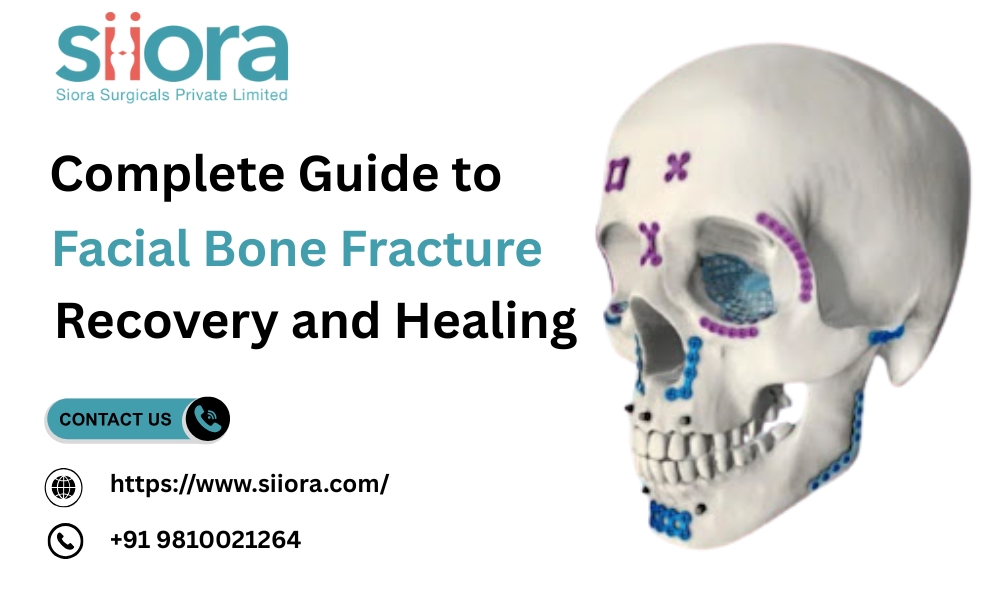
Early intervention and stabilization are key. In most serious cases, surgeons use maxillofacial plates, tiny, durable metal plates, to hold fractured bones in place while they heal. These plates help realign the bones and provide support, reducing long-term complications and speeding up the recovery timeline.
But surgery is just the first step. Healing from a facial bone fracture is a journey that involves rest, care, patience, and in many cases, a few lifestyle adjustments.
What Happens After the Injury?
Right after the trauma, swelling and bruising are almost always present. You might also experience numbness, difficulty chewing or speaking, double vision, or pain when moving your jaw or face. Doctors usually confirm the extent of the damage with X-rays or a CT scan.
Depending on the severity and location of the fracture—jaw, cheekbone, orbital (eye socket), or nasal bones—the treatment plan may vary. Minor fractures might heal on their own with rest and pain management. More complex cases often require surgical correction.
The First Few Weeks: Rest, Ice, and Watchfulness
In the first few weeks after surgery or injury, swelling peaks. Applying cold compresses, keeping the head elevated, and avoiding any pressure on the face helps manage inflammation. You’ll probably be on a soft or liquid diet to avoid stressing the bones—especially if the jaw is involved.
Your doctor might prescribe antibiotics to prevent infection and painkillers to help with discomfort. Following instructions closely is crucial. Even small actions like blowing your nose or bending over too quickly can cause setbacks.
Healing Timeline and What to Expect?
Most facial bone fractures take 6–8 weeks to heal. However, this doesn’t mean you’ll feel 100% normal right away.
- Week 1–2: Major swelling and bruising. Initial healing begins.
- Week 3–4: Bruising fades. Stitches (if any) may be removed. You’ll start regaining movement.
- Week 5–6: Bone begins to solidify. Soft foods may gradually transition back to normal eating.
- Beyond 6 weeks: You’ll likely look and feel better, though nerve sensations and full function might take longer to return.
Everyone heals at a different pace depending on age, overall health, the severity of the fracture, and how closely post-op care instructions are followed.
Physical and Emotional Recovery
It’s not just about bones. Facial injuries often impact how people feel about themselves. Temporary disfigurement, scarring, or numbness can affect mental health. It’s normal to feel frustrated or self-conscious.
Stay in touch with your healthcare team—not just for physical checkups, but also for support. Some patients benefit from therapy, especially if the injury was traumatic. Healing includes your mindset, too.
Tips for a Smoother Recovery
- Stick to the plan: Follow every instruction from your surgeon or doctor.
- Be gentle: Avoid contact sports or any risk of re-injury until fully healed.
- Hydrate and eat well: Nutrients support bone and tissue repair. Even with a soft diet, get enough protein, vitamins C and D, and calcium.
- Don’t skip follow-ups: They’re crucial for tracking progress and catching complications early.
- Protect your skin: If there’s scarring, use sunscreen and follow skincare recommendations to promote healing.
Final Thoughts
Recovery from facial bone fractures isn’t overnight, but it’s absolutely possible. With the right care, tools like maxillofacial plates and screws, and a bit of patience, most people return to full function and confidence within a few months. Stay consistent, listen to your body, and don’t hesitate to ask for help when you need it.Explore the latest trauma implants, including CMF implants, and other healthcare products, register for the FIME Show 2025.
 Siora Surgicals Pvt. Ltd.